


A Day in the Life – Harvest 2026
From dawn to dusk, join me in the Pinot Noir grape harvest of 2026. From the first grape clipped to the last piece of equipment cleaned, 225 pounds of Pinot Noir are destined for a rosé. The vines have weathered a March heat dome, April freezes, pesticide drift, fungal spores, relentless pruning and spraying, birds, winged stinging insects, and hungry mammals.

My New Winemaking Assistant Doesn’t Drink Wine
Is AI making me a better winemaker—or just making me lazy? After nearly two decades of winemaking, I put ChatGPT to the test with my latest Pinot Noir rosé. The results have been interesting, occasionally surprising, and worth sharing. And no, I haven’t tossed my books—or my brain—onto the trash heap just yet!
A Whiff of Danger
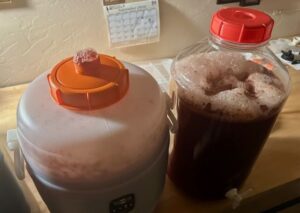
Twenty-four hours after harvesting and processing my Pinot Noir grapes destined for rosé greatness this season, I pitched the yeast and started the juice fermenting. Two days later, as fermentation roiled away, the two vessels filled the winery with an acrid, pungent smell commonly referred to as “fermentation funk.” The smell that makes life worth living to me, was a headache in the making for my wife, Janine.
Winter and Spring – 2026 Edition
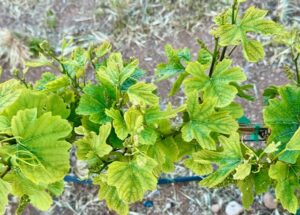
“An exercise of extremes”, well encapsulates this past winter and spring in my vineyard and its location in Colorado’s North Fork Valley. The winter began innocently enough. While the vines quietly slumbered, December’s weather was reasonably normal. This was about to change, with record breaking results. You’ll find data to support this assertion, along with learning about new and surprising vineyard challenges.

Water is Everything
Many of us live privileged lives in which water is an afterthought. At times, we’ll dwell on it when reading about occurrences of water scarcity in different parts of the world, reflecting on the ongoing drought in the Southwestern U.S., or when turning on the tap for a cool glass of water on a hot summer day. For me, it’s scarcity that hits close to home, akin to a kick in the gut, when my water solar pump fails.

What Role Does Acid Have in Wine?
Acid plays an elemental role in wine. There are two types of acid: fixed and volatile. Fixed acids give a wine structure, texture, and zing, while volatile compounds are picked up aromatically. About the same time I came across a wine glossary beginning with the term acid, I was assessing two of my wines, asking the all-important question whether they required “tweaking” before bottling.

Is Drinking Wine Hazardous to Your Health?
“Young doctors nearly killed me, because in their phrasing, I use alcohol.” This is a quote from wine writer W. Blake Gray in the publication Wine-Searcher, titled “Alcohol Caught Between Science and Ideology.” In summary, the article recounts a harrowing eight-day hospital stay where Gray felt his life was endangered by the biases of younger medical professionals.

What Role Does Grafted Rootstock Play in the World of Wine?
Grafted rootstock is a plant propagation method that combines a resilient root system with a desirable fruit-bearing vine, allowing growers to produce hardy, disease-resistant plants with consistent quality. In winemaking, it is especially important to protect Vitis vinifera varieties from phylloxera, a destructive root pest.

Shaping Wine Character – Geography or Terroir?
That’s the question posed by the team at ENObytes.com in their post, “Viticulture at Altitude, Where Elevation Shapes Wine Character.” They argue that terroir can be an unreliable indicator of wine quality—especially when it’s wrapped in layers of romantic mysticism. Strip away the mystique, they suggest, and what remains is simply geology.